
-
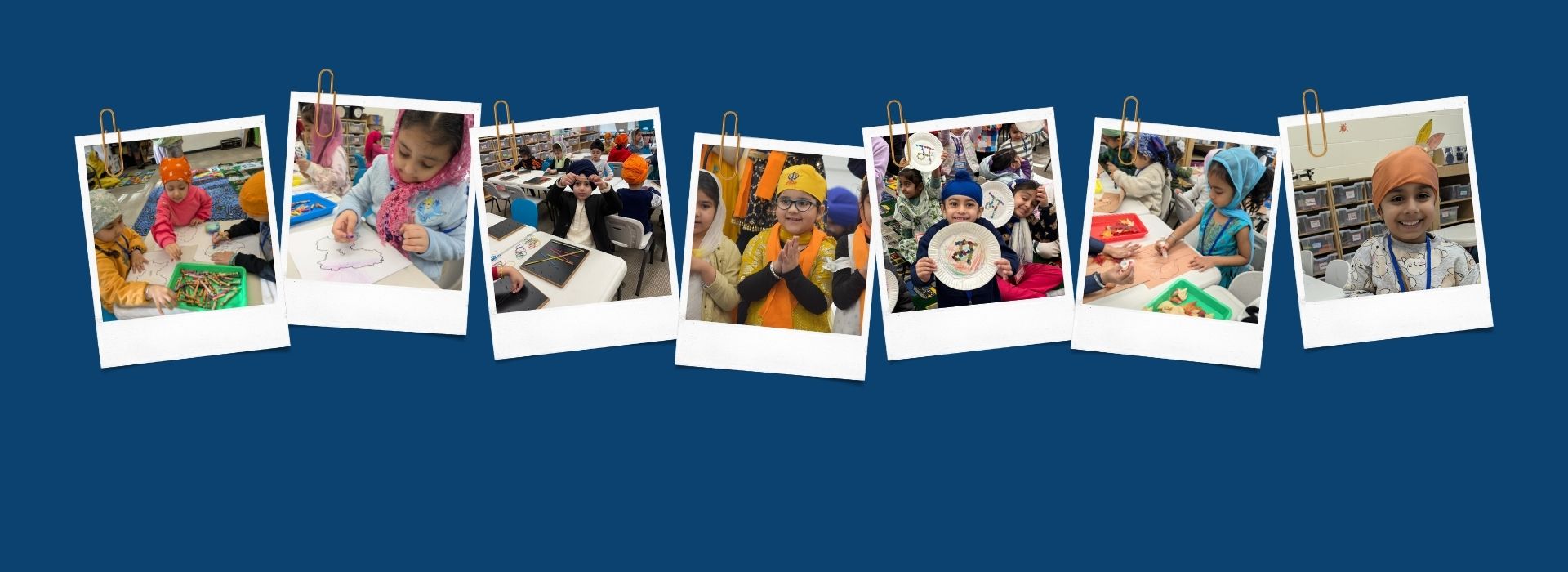
Planting Seeds for Lifelong Learning
Discover, grow, and thrive with our Montessori-inspired program grounded in Gurmat values
Learn More About KGC Preschool
Our Montessori-inspired program, grounded in Gurmat values, offers two-day, three-day, four-day, and five-day attendance options from 8:30 a.m. to 12:30 p.m. We're thrilled to offer a nurturing and stimulating environment where children can explore their world, discover their talents, and grow into confident learners. Our carefully crafted curriculum blends the Montessori method with the rich traditions of Gurmat, fostering independence, critical thinking, and a strong moral compass. Spaces are limited, so don't miss this opportunity to give your child a head start! Visit us to learn more about our program, meet our dedicated teachers, and discover how to enroll your child in this enriching educational experience.
Frequently Asked Questions
KGC Preschool offers a bilingual English and Punjabi/Gurmukhi learning environment that combines Montessori-inspired education with Gurmat values. Hands-on activities support independence and a love of learning. The curriculum includes practical life skills, sensorial exploration, mathematics, science, geography, art, and language.
At KGS, children thrive in a safe and nurturing environment. Our commitment to their well-being is paramount, demonstrated through regular safety checks, ongoing teacher training, and clear child protection policies. Our low teacher-to-student ratio, coupled with highly qualified Early Childhood Educators, ensures strong, supportive relationships and a deep sense of security. All staff and faculty have undergone comprehensive background checks.
The preschool serves children ages 2.5 to 6 in mixed-age classrooms. Children learn alongside one another through collaborative activities, observation, and age-appropriate opportunities for independence and leadership.
The preschool runs from 8:30 a.m. to 12:30 p.m. Families may choose a two-day, three-day, or four-day option. Ask the KGC office which weekday combinations are currently offered.
Activities encourage self-regulation, empathy, communication, and social interaction. Hands-on, child-centered work may include:
- Language and literacy, including reading, writing, and storytelling
- Math concepts such as counting, shapes, and patterns
- Science exploration and nature study
- Art and music
- Practical life skills
A typical four-hour preschool day might include a balance of activities such as:
- Arrival and Free Play (30 minutes): Children arrive, greet their teachers and friends, and engage in free play activities. This allows for a smooth transition and encourages social interaction.
- Circle Time (30 minutes): A group activity where children gather for songs, stories, discussions, and learning about the day's theme or topic. This develops language skills, listening skills, and a sense of community.
- Learning Centers/Work Time (1.5 hours): Children explore various learning centers or engage in individual or small group work.
- Outdoor Play (1 hour): Children enjoy active play.
- Snack Time (30 minutes): A break for a healthy snack, often with a focus on social skills and proper table manners.
Students are required to provide their lunch. Teachers will facilitate the lunch period, including distribution and serving. Parents are responsible for informing the school of any food-related allergies.
Parents are encouraged to be active participants in their child’s learning journey. They can volunteer in the classroom, participate in community events, and join parent-teacher meetings.
At present, before and after school care will not be available. However, additional options may be added depending on the needs of the community and available resources.
The school takes an inclusive approach to support all learners. Teachers are trained to recognize and address individual learning needs, and the curriculum materials are designed to be adaptable. We work closely with families to ensure each child's specific needs are met, whether through modified activities or additional support.
Communication is key at our preschool. Parents receive regular updates through informal conversations, written reports, and parent-teacher conferences. Teachers also provide insight into how the child is developing socially, emotionally, and academically, ensuring that parents are always informed about their child's progress.